Written by: Lan An
Edited by: Idyll Lee
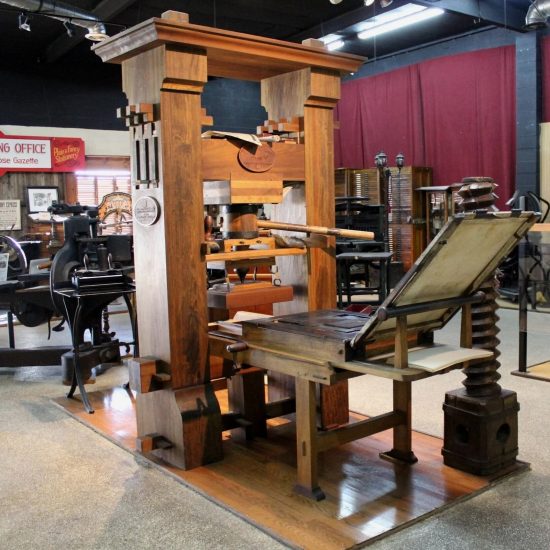
Replica of the Gutenberg Press at the International Printing Museum
The International Printing Museum, located in Carson, California, focuses on the history of printing and books. The museum preserves a wide range of antique printing equipment and demonstrates how these machines were used in practice.
The museum was established in 1988 by Ernest A. Lindner, whose personal collection grew into one of the most comprehensive assemblies of printing equipment in the world. Today, the museum is home to the Ernest A. Lindner Collection, along with materials from the Colby Poster Printing Co. and the Earl Hayes Press. Its holdings include antique presses, type, and related artifacts, as well as an extensive library on printing history and an archive of printed materials. Together, these collections showcase the technical development of printing and its role in commercial and cultural production.
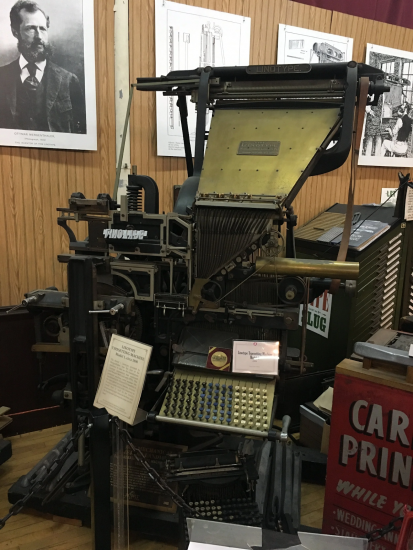
An 1895 Linotype Model 1 Linecasting Machine at the International Printing Museum
Highlights of the collection include historical printing presses, including replicas of Johannes Gutenberg’s press, 19th-century iron presses, and Linotype machines. These show how printing moved from manual to mechanized processes. Many are still operational, and visitors can watch demonstrations or take part in basic printing activities. The museum also preserves typefaces, plates, and printed works that reflect changes in graphic design and communication.
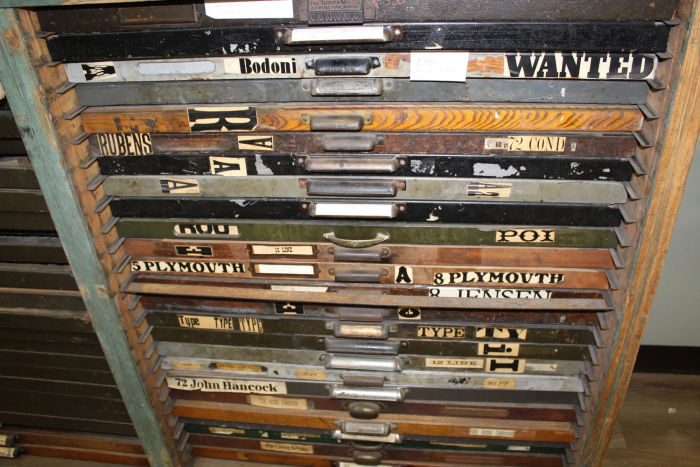
Wood and metal type in the Earl Hays Type Collection
In addition to its exhibits, the museum hosts hands-on activities, including workshops on Japanese stab-binding and exposed spine binding, as well as printmaking and bookmaking sessions where participants create projects such as pop-up books and personalized stationery. It also offers tours, workshops, and educational programs that explore how printing technologies developed and shaped broader patterns in communication and access.
For library and information science students, the museum provides useful context for understanding how information has been physically produced and preserved. It highlights the connection between technology and access, offering a foundation for thinking about modern information systems and practices. Volunteering opportunities are also available for people with diverse backgrounds and interests.
0 Comments