 Archeota
Fall 2020 Wrap Up
This may be an understatement, but what a semester! This Fall (for that matter, this year) has been a challenge for many of us. Whether you were starting or ending your MLIS or MARA journey, this semester will go down in the books for being quite extraordinary. Although we experienced a few hiccups, the SAASC team worked hard to offer our fellow students multiple ways to enhance their academic experience and connect with each other. As chair, I may be biased, but I think we did a great job this semester and I hope you agree!
During the Summer, the Archeota team was hard at work editing the Spring/Summer issue, which was jam-packed with interviews, delved into critical issues impacting archives, and highlighted collections preserving the history of diverse and underrepresented communities. And all written by students! Kelli, Alyssa, and Christine are once again spending their break putting together the Fall/Winter issue. I can’t wait to check it out! Read the latest issue and find out what it takes to submit an article in the Archeota section of our website. Fall/Winter submissions are due by January 10, 2021.
One of the first things the incoming team tackled was a complete redesign of our website and migration of the site to the iSchool WordPress server. Our webmaster, Barbara, did a fantastic job in creating a fresh, modern look along with organizing the resources, which sometimes required a bit of a scavenger hunt to find the original sources. She integrated new functionality, such as the event calendar, the contact form, and the social media feed. If there is anything you’d like to see added to the site, please let us know.
Related to the website, the SAASC blog, written primarily by our blog editor, Stacy, has provided insightful recaps of our events, the SAA annual conference, National Archives Month, and more. With Stacy’s guidance, we published our first guest student blog post this semester. If you have suggestions for blog posts or would like to write one, please contact us.
Our social media team – Sabrina, Angela, Cristy, and Nique – really ramped up our online activity, resulting in a nice bump in our followers. Between our Facebook page, YouTube Channel, and Twitter feed, SAASC is sharing archives and LIS news and events, participating in discussions, and connecting with students, faculty, groups, and organizations. We even live tweeted a few events! If you aren’t following us, what are you waiting for?
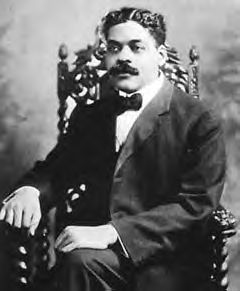
Last, but not least, our dynamic duo of events — Samantha and Danielle — put together a phenomenal lineup of presentations this semester. We had speakers representing corporate archives, academic archives, and public library archives. We had the pleasure of hearing about a range of collections, from Levi Strauss to an archive specifically for Hops & Brewing. We discovered the achievements and challenges of preserving and sharing the archives of underrepresented communities in the Mujeres Latinas Project at the Iowa Women’s Archive and the Schomburg Research Center’s LGBTQ collection. Not only were the collections amazing, the curators and archivists generously shared their knowledge, experiences, and career tips with us. Danielle and Samantha also put together a great end of semester Zoom Happy Hour! To see which events have been recorded, check out the archive in the Events section.
In the spirit of connection and partnership, SAASC collaborated with the iSchool student groups in September’s new student presentation and December’s Zoom hangout. We were thrilled to partner with SJSU REFORMA on our Mujeres Latinas Project event and the Cafecito con Barbara Miller presentation. We look forward to finding more ways to work with the other groups this Spring.
On the administration side, we also accomplished a few things. Early in the semester, we had to deal with the resignations of our vice chair, Nicole, and our social media coordinator, Jenny, both needing to focus their time and energy on family. We were fortunate that Danielle picked up the slack in event planning, and Samantha quickly and enthusiastically jumped in. We were also lucky to have Angela, Cristy, and Nique all express interest in joining the team and focusing on social media, with Sabrina leading the charge. Sabrina also kept us all on task and connected by organizing our monthly planning meetings and spearheading group communication.
Not quite as exciting, we made some overdue updates to the SAASC constitution to address outdated items and fill in some gaps. These changes were presented to the membership and ratified at the end of November.
And, finally, a big thanks to our faculty advisor, Lori Lindberg, for her guidance, time, and expertise!
With everything going on in the world and in our personal lives, I want to give a big round of applause to the SAASC and Archeota team for achieving so much this semester. Many of us have been touched by the pandemic and the last few months have not been easy. I am honored to be working with such a great group of people and have found joy in connecting with all of you. Enjoy your winter break, stay healthy, and let us know if there is anything we can do better. We have some great things planned for Spring and can’t wait to share with you.
Alison Quirion, SAASC Chair, 2020-2021


 Rick has continued to add new films to the online collection, and when a friend forwarded me his call for volunteer film scanners, I replied immediately. A big perk of this volunteer gig was learning to use the lasergraphics motion picture scanner, which is capable of producing very high-resolution digital files, much better quality than I ever saw when I was working as an editor. The device is something like a projector connected to a computer controller, and I felt like I had one foot in the past world of celluloid and the other in the current digital technology, first threading the film onto the scanner, then turning to the computer to create the scan.
 The second perk of scanning these films was watching them; scanning takes place in real-time, and once I hit “run job,” there was nothing to do but watch. I saw films on Argentinean ranches, the workings of an orchestra, on etiquette, teen marriage, and how to walk safely to school. My favorite during my volunteering stint was “Healthy Teeth, Happy Smile” a dental hygiene film from 1964. Hygiene films of all kinds are quite common, but what made this one interesting to me was that it featured an integrated cast, led by an African-American protagonist. Since most educational films of the 1950s and early 60s tend to depict an almost entirely white, middle-class world, this one stood out—and the giant set of teeth the heroine scrubs with a giant toothbrush was pretty memorable too.